
Getting a car loan can be a simple way to buy a car, but it can also be an expensive mistake that costs you thousands in extra interest. The difference comes down to doing your homework, shopping around for rates, and knowing how to negotiate. Before you even think about visiting a dealership, it’s worth understanding how banks set their rates, how dealers make money on financing, and how the length of your loan affects what you’ll actually pay. By getting your credit in order, securing a pre-approved loan, and focusing on the car’s final price instead of the monthly payment, you can save a ton of money and stress.
First, Figure Out What You Can Really Afford
The best car loan is one you can comfortably pay off. Start by setting a firm budget that goes beyond just the sticker price. You’ll need to account for taxes, title, registration, and those infamous “doc fees.” But don’t stop there—add in your estimated costs for insurance, gas, maintenance, and even new tires down the road. A good rule of thumb is to keep your total car expenses under 10-15% of your take-home pay.
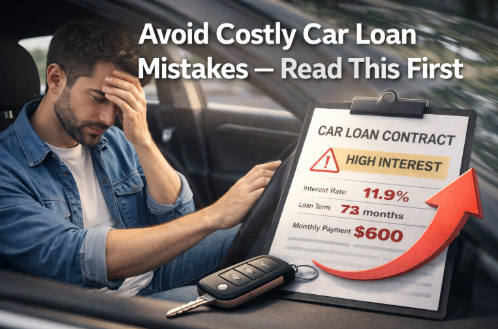
Most importantly, don’t fall for the “low monthly payment” trap. A dealer can get you almost any monthly payment you want by stretching the loan out for six, seven, or even eight years, but you’ll end up paying way more in interest. Instead, focus on the “out-the-door” price. Try to save up a down payment of at least 10–20% of the car’s price. This means you’ll borrow less, pay less interest, and have a much lower chance of owing more on the car than it’s worth.