
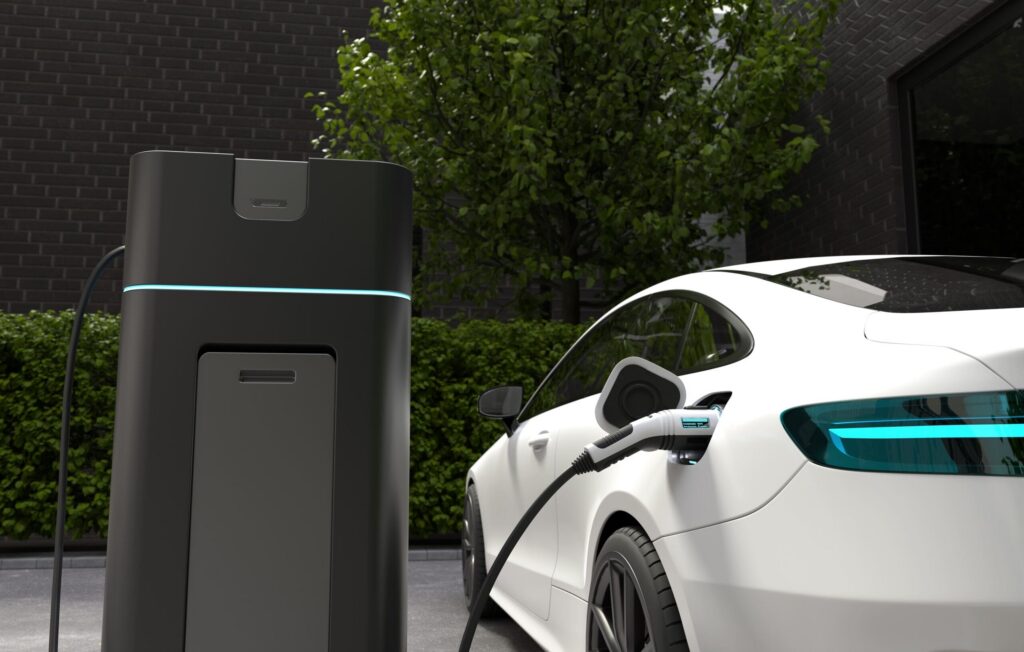
4.Evaluate charging options and speed
Considering the feasibility of home charging, including parking space and electrical capacity, as well as the availability of fast chargers on your usual routes. It’s important to confirm the car’s maximum DC fast-charge rate, the onboard charger rating for AC charging, and whether the charging plug standard is compatible with your region.
5.Look at the total cost of ownership (TCO) Don’t just focus on the sticker price; take into account incentives, registration benefits, electricity versus fuel costs, insurance, maintenance, and expected depreciation. Create a 5-year TCO estimate by calculating the purchase price minus incentives, plus fuel or electricity, insurance, maintenance, and minus resale value to make fair comparisons between models.
6.Safety and reliability records are also crucial. Electric vehicles have specific safety considerations, such as battery protection and thermal runaway risks, in addition to standard crash safety. Review crash-test ratings, battery safety designs, recall histories, and long-term reliability reports from both owners and independent testers.